
January Lawn Care in Central Florida: Start the Year With a Healthier, Greener Yard
January 7, 2026
Simple winter-season steps to protect your lawn now and set it up for spring success
January in Central Florida is a little different than “winter” in most places. Your lawn may slow down, but it doesn’t stop needing attention—especially after a busy holiday season, cooler nights, and occasional dry stretches.
The good news: a few smart moves in January can prevent common problems (weeds, thinning turf, irrigation issues) and make spring lawn care easier and more effective. Here’s what to focus on now.
1) Adjust mowing (don’t scalp your grass)
Warm-season grasses like St. Augustine, Bermuda, and Zoysia typically grow more slowly in January. That often leads homeowners to mow “extra short” to stretch time between cuts—but scalping can stress the lawn and invite weeds.
- Keep mowing as needed, but less frequently
- Avoid cutting more than one-third of the blade at a time
- Make sure mower blades are sharp for a clean cut
2) Watch for winter weeds before they take over
Many Central Florida lawns see winter weeds pop up when turf growth slows. If you wait until weeds are everywhere, they’re harder to control—and they can crowd out healthy grass.
Common winter weed troublemakers include:
- Chickweed
- Clover
- Annual bluegrass
A proactive approach (spot treatment, proper mowing height, and a seasonal plan) helps keep weeds from becoming a springtime headache.
3) Check irrigation settings (most systems are still on “summer mode”)
January usually means less evaporation and less plant water demand. If your irrigation schedule hasn’t changed since summer, you may be overwatering—one of the fastest ways to trigger fungus, root issues, and wasted water.
Quick January irrigation checklist:
- Reduce run times and/or watering days
- Water early morning (not at night)
- Look for broken heads, leaks, or spray hitting sidewalks
- Make sure each zone is covering evenly
4) Clean up debris and protect turf from traffic
Between holiday guests, cooler weather, and occasional storms, lawns can get compacted or smothered by leaves and debris.
- Remove leaves and branches so grass can breathe
- Pay attention to shaded areas (they stay damp longer)
- Limit heavy foot traffic on thin or stressed spots
5) Plan now for spring upgrades
January is a great time to walk your property and make notes while growth is slower. You’ll see issues more clearly—thin areas, drainage problems, bed edges that need redefining, or spots that could use new plantings.
Consider planning:
- A spring bed refresh (mulch, edging, seasonal color)
- Lawn recovery steps for thin or patchy areas
- Drainage improvements before rainy season returns
- A maintenance schedule that fits your property and goals
Let Kennedy Landscaping help you start the year strong
A healthy lawn in spring starts with smart decisions in winter. If you’d like help creating a seasonal plan, adjusting irrigation, tackling weeds, or keeping your property looking sharp year-round, Kennedy Landscaping is here for you.
Contact Kennedy Landscaping today to schedule your January lawn and landscape checkup and start the new year with a yard you’ll feel proud of.
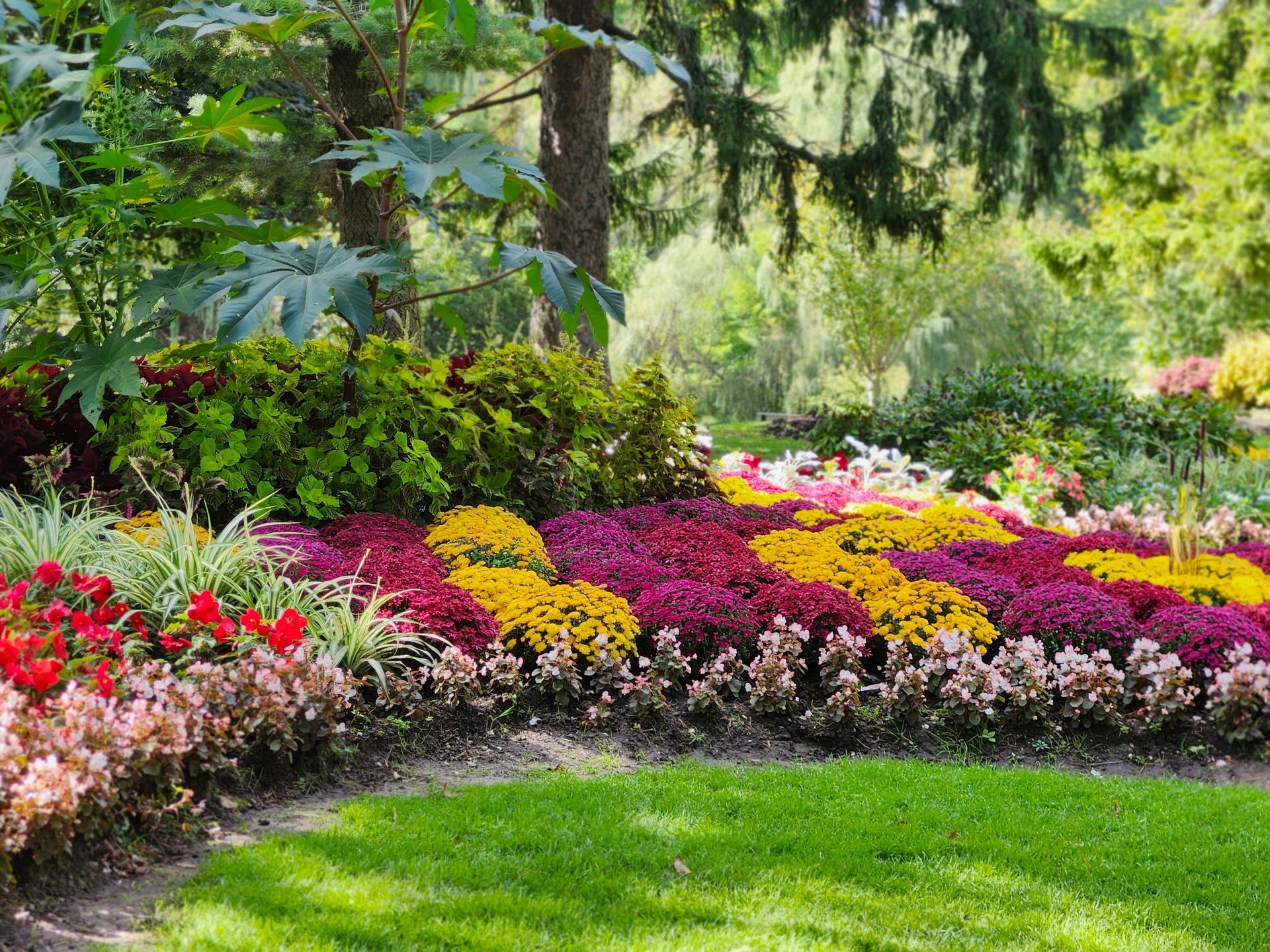
Simple end-of-summer lawn and landscape tips to refresh curb appeal and get ready for early fall in Central Florida
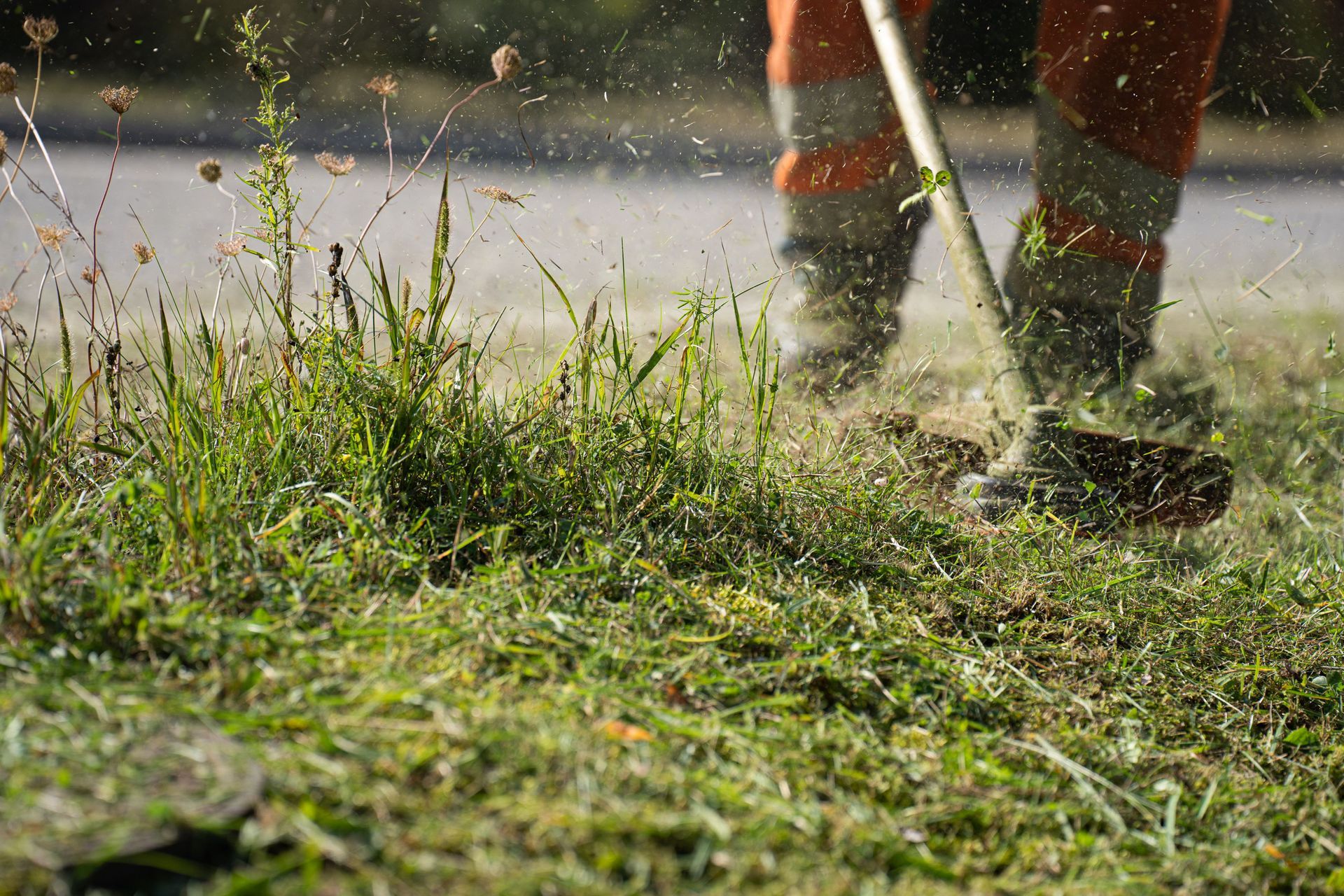
How to fix thin spots, fight weeds and fungus, and stay storm-ready as Central Florida hits peak summer
